
Fear, Shame, and Violence
Native SonThis thread traces how racial fear and shame shape Bigger Thomas’s actions, then intensify through the public response to his crimes.
increasing Bearing strength in each event
 decreasing
Bearing strength in each eventdecreasingThe Color Line in the Body
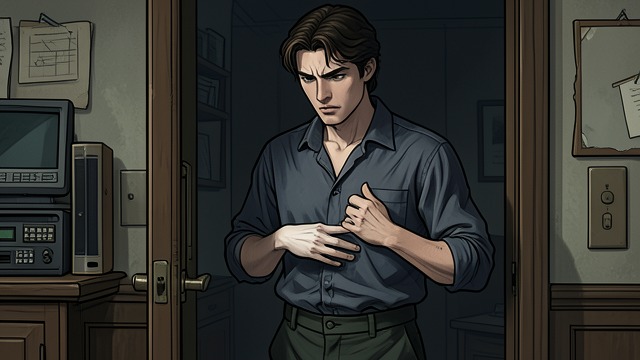
Constraint Felt Physically
White power as presence
Bigger tells Gus that white people live inside his stomach and throat, a bodily image for the fear and anger he cannot keep outside himself. He describes life as a prison from which he can see but not enter the wider world.
Feeling without an outlet
His words connect everyday separation with an expectation that something terrible will happen. The language anticipates how feelings he cannot organize may later emerge in violent action.
Fear Displaced onto Friends
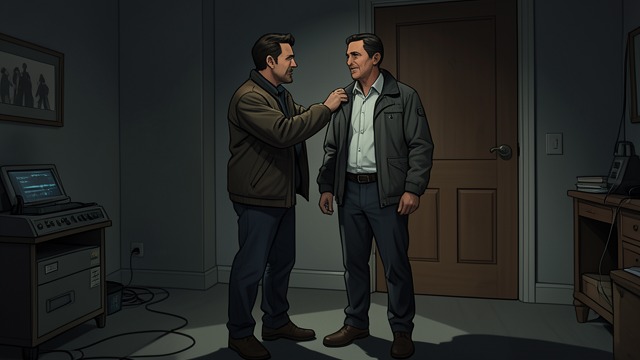
Aggression as Evasion
Gus becomes the target
Bigger attacks Gus while imagining the danger of robbing Blum’s. By accusing Gus of cowardice, Bigger transfers his own fear onto a friend who is no less vulnerable.
A repeating pattern
The fight brings brief relief but leaves shame and hostility behind. Violence offers action without resolving the conditions that made Bigger feel powerless in the first place.
Fear in Mary’s Bedroom
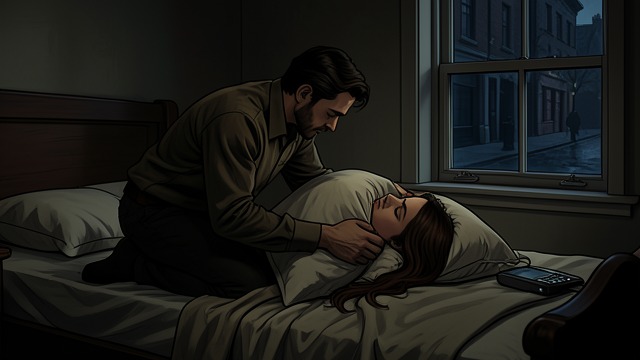
Panic Becomes Action
The perceived danger
Mrs. Dalton’s entrance makes Bigger imagine discovery, punishment, and the consequences of being a Black man alone with a white woman. He responds before he can separate immediate danger from inherited racial fear.
Irreversible violence
He holds the pillow over Mary’s face until she dies. The scene does not make fear a justification; it shows how a surrounding system of terror becomes part of Bigger’s perception and action.
Fear Multiplied by the City
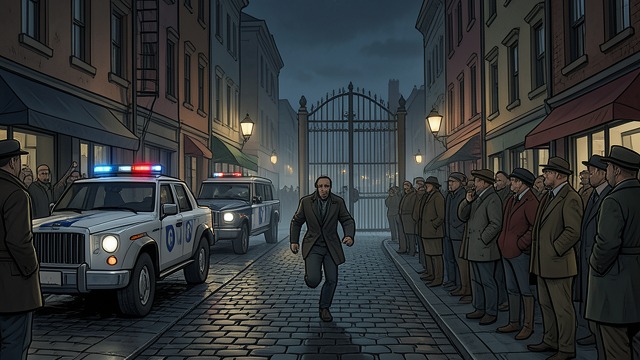
Private Crime, Collective Panic
A racialized response
Police searches, newspaper stories, and threats of mob violence extend suspicion to Black residents across the city. Bigger’s crime is used to portray a whole population as dangerous.
Fear feeds itself
The public’s fear intensifies Bigger’s fear of capture, while his flight confirms the public image of a threat. The cycle makes each side’s panic seem to validate the other’s worst expectations.
A Question of Shared Humanity
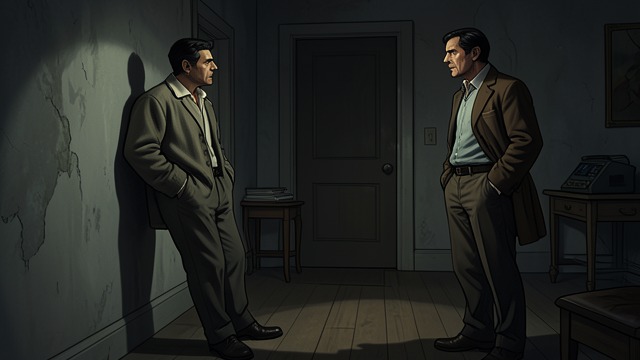
The Cycle Examined
Bigger asks about his enemies
Bigger wonders whether those who hate him also wanted something from life and caused harm while pursuing it. He asks Max whether they might one day describe themselves as he does.
No easy reconciliation
Max cannot offer complete assurance, and Bigger does not ask for forgiveness. The question broadens the novel’s moral inquiry without erasing the asymmetry between a powerless defendant and those who control his fate.
During Bigger and Gus’s conversation before the robbery plan
During the poolroom fight
Early Sunday morning at Dalton family residence
During the manhunt after Mary’s remains are found
During Bigger’s last conversation with Max
